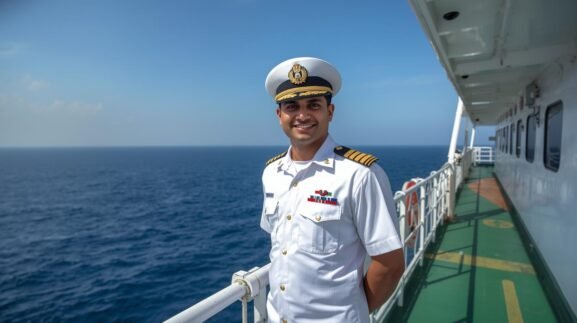

How to Join the Merchant Navy After 12th: Courses, Eligibility, and Real Pathways
For most students and parents, the real struggle with the Merchant Navy is not ambition — it’s clarity.
Information is everywhere, but direction is missing.
You can only have a great career in the Merchant Navy if you start right — with the correct course, the right institute, and a clear understanding of the process.
Every year, thousands of aspirants explore the Merchant Navy attracted by global exposure, strong salaries, and a disciplined professional life. Yet many end up confused by agents, WhatsApp advice, half-truths, and poorly explained shortcuts. The result is often wrong course selection, joining low-grade institutes, or spending money without long-term career visibility.
The Merchant Navy is not complicated — but it is structured. Once you understand that structure, decisions become far easier.
At its core, the Merchant Navy is the backbone of global trade, transporting over 95% of the world’s cargo across oceans. The professionals working on these ships are trained seafarers — deck officers, marine engineers, electro-technical officers, and ratings — each with clearly defined roles, qualifications, and career progression.
Understanding the Two Main Career Streams
All seafaring careers broadly fall into two departments:
-
Deck Department – responsible for navigation, cargo operations, and ship management
-
Engine Department – responsible for propulsion systems, machinery, and technical operations
Your first major decision is choosing which stream suits your aptitude and long-term goals.
Eligibility: The First Non-Negotiable Step
For students planning to join after Class 12, eligibility is strict and standardised:
-
Physics, Chemistry, and Mathematics in Class 12
-
Minimum 60% aggregate in PCM
-
Minimum 50% in English
-
Age generally between 17–25 years
-
Must be medically fit as per DG Shipping-approved doctors
-
Colour blindness is not permitted
Medical fitness is not a formality. Vision standards, physical fitness, and certification from DG-approved doctors are mandatory before admission.
Choosing the Right Pre-Sea Course
After Class 12, aspirants can choose from the following primary entry routes:
-
B.Sc Nautical Science (3 years) – Deck officer route
-
Diploma in Nautical Science (DNS – 1 year) – Deck officer route, pre-sponsorship mandatory
-
B.Tech / BE Marine Engineering (4 years) – Engine officer route
-
GME / ETO / Rating courses – Depending on background and qualifications
Each course has a defined career ladder — from cadet to officer to senior ranks such as Chief Officer, Captain, Second Engineer, or Chief Engineer. Salaries grow with rank and sea time, but only when sailing — not while ashore.
The Truth About Sponsorships and Selections
One of the biggest myths is that selections happen through “reference” or influence.
In reality, over 90% of selections are merit-based, involving:
-
Written exams
-
Psychometric tests
-
Technical interviews
Preparation matters more than connections. Starting with a reputed institute and understanding the selection process makes a measurable difference to long-term outcomes.
Why Institutes Matter More Than Advertisements
There are hundreds of maritime colleges in India — but only a limited number consistently deliver placements and quality training. Government institutes and a handful of A-grade private institutes stand apart due to:
-
Strong industry tie-ups
-
Structured training
-
Transparent placement records
Joining a low-grade college often leads to delayed sailing opportunities and career stagnation — a risk many families realise too late.
A Career That Demands Clarity, Not Shortcuts
The Merchant Navy offers exceptional rewards — global exposure, financial independence, long vacations, and professional respect. But it also demands discipline, patience, and informed decision-making, especially in the early years.
There is no substitute for starting correctly.
If you’re planning to take this next step, explore verified courses, approved institutes, coaching programs, and trusted study material on NavyCourses — so your Merchant Navy journey begins with clarity, not confusion.